
Characters

AI avatar generator: a presenter who always shows up

Upload a few photos and build a character once. Then put the same face in images, in generated video and in talking-head clips that read your script in your voice, so your channel has a consistent presenter without you filming every time.

Free plan · No credit card · Works in the browser

AI Avatar Generator in Splicora

What you get

AI Avatar Generator, in practice

Build once, reuse everywhere

A character is a saved description and a set of reference pictures. Every image, video or clip made from it starts from those, so the face does not drift from one post to the next.

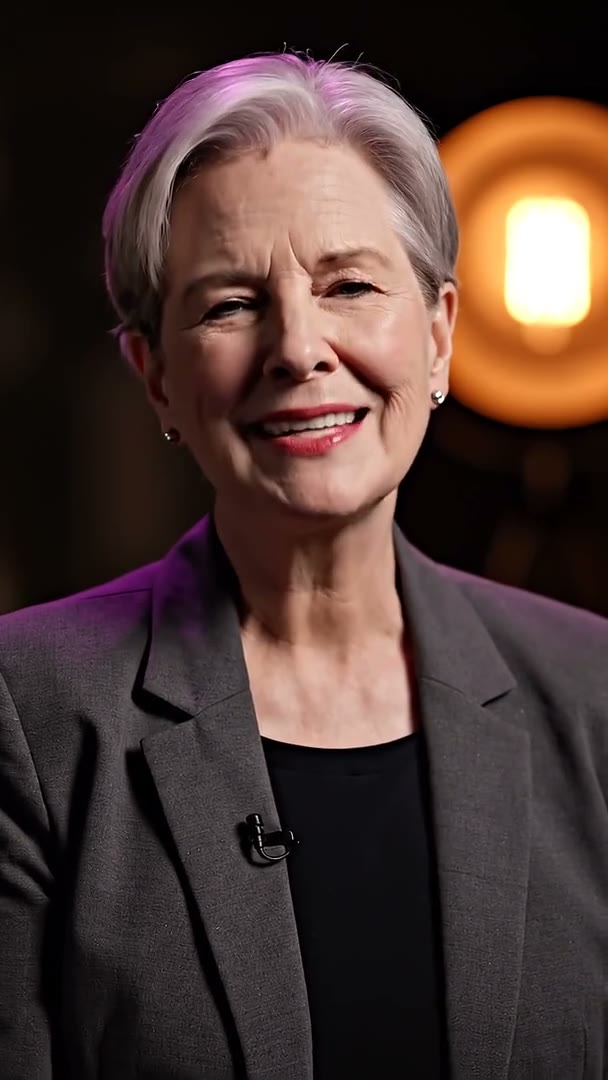
Talking-head clips from a script

Write what the presenter says, pick a voice, and the clip is lip-synced to it. The voice can be one from the library or a clone of your own.

Headshots from your own photos

Upload a few pictures of yourself and get a set back, each one of your own photographs restyled into the look you chose rather than a stranger who resembles you.

Posting waits for your approval

A character can be given a posting plan, and every post it makes is held in the review queue. Nothing a character writes goes out without you saying so.

How it works

From a few photos to a presenter.

  1. Upload a few photos

    Four or five pictures of the same subject, from different angles and in different light. For a person, the consent tick is part of this step.

  2. Build the character

    Name it, say what it is, and the description is written once and kept. That description and those pictures are what every later generation starts from.

  3. Write the script and pick the voice

    What the presenter says, and who says it: a library voice or your own clone. The length of the script is what the clip costs.

  4. Generate the clip, then caption and post it

    The clip lands in the library like any other, so it can be captioned, reframed and scheduled with the rest of the week.

What a consistent character is and why it matters for a channel

A feed recognises a face before it reads a word. A channel whose presenter changes every post reads as a channel with nobody behind it, which is the opposite of what a presenter is for.

A character here is a saved identity: a name, a kind, a written description and a set of reference pictures you uploaded. Every generation that uses the character starts from those rather than from whatever the prompt happens to produce that day.

Three kinds, because they are not the same problem. A person needs consent and gets it. A mascot you invented and a product you sell have nobody to ask, and demanding a tick there is how a consent flow becomes a formality.

Read more

It is worth being exact about how that works, because the difference matters. The character steers each generation from its description and its reference pictures. It is not a model trained on your face. Expect a strong likeness across a set rather than an identical twin in every frame, and know that a description with no reference picture will give you a different person each time, which the page says where you choose.


What a consistent character is and why it matters for a channel

Talking-head clips: script, voice, length, cost

A clip needs three things: the character, a script and a voice. The script sets the length, the voice reads it, and the result is lip-synced to the audio at up to 2 minutes a clip.

Avatar video is priced per minute of finished clip, from 60 credits to 60 credits depending on the option you choose, and the figure is on the button before it runs. The voice is charged separately, at the per-minute rate of whichever voice reads it.

Shorter is better. A presenter saying one clear thing in twenty seconds holds up; the same presenter at three minutes is where small errors accumulate and the eye starts to notice them. A long script is usually better as several clips on different days.

Read more

Nothing about this is hidden from the viewer by the product. A generated presenter is a generated presenter, and the shorts that work are the ones that are upfront about it.

Talking-head clips: script, voice, length, cost

Headshots

Headshots are a separate thing from a talking head, and worth describing exactly. Upload several photographs of yourself, pick a look, and you get a set back where each result is one of your own photographs restyled into that look.

That is not the same as a model that has learned your face and can put you anywhere. It is the honest version of the feature available today, and the page where you make them says so in those words rather than promising the other thing.

What it is good for: a profile picture that matches your brand, a set of covers where you appear, one look across a team. What it is not for: putting yourself somewhere you have never been and presenting it as a photograph.

Headshots

What it costs

A talking-head clip is 60 credits to 60 credits a minute, plus the voice that reads it at 1 credit to 2 credits a minute. Building the character costs nothing: the pictures it is built from are generations you have already paid for, or photographs you uploaded.

The free plan's 25 credits a month are enough to build a character and try a short clip before deciding anything, and credits are shared across every tool.

A clip that fails is refunded. The pricing page lists avatars beside every other kind.

What it costs

Also in Splicora

The presenter is one of four things made from nothing. The same workspace generates images from a sentence, video from a sentence or a still, and voices including a clone of your own.

The other half starts from a recording: the clip generator finds the moments worth posting, captions make them work on mute, and the scheduler sends everything out from one calendar. A clip with a generated presenter is handled exactly like one you filmed.

Also in Splicora

Questions

The things people ask first.

Yes, and it is the main case. Upload a few photographs of yourself, confirm the consent, and the character is yours to use across images, video and talking-head clips.

Yes, if it is a mascot you invented or a product you sell, which need no consent because there is nobody to ask. A real person who is not you needs their agreement, and the confirmation is recorded.

Up to 2 minutes per clip, though shorter reads better. A long script is usually better cut into several clips.

Yes. The clip is lip-synced to whatever voice reads it, and the voice generator reads a script in any of 30 languages.

They stay in your workspace, used for the generations you ask for and nothing else. Delete the character and the pictures go with it.

Also in Splicora

You do not have to start with a recording.

The same workspace generates images, video, voices and avatars from a sentence, with the price of each shown before you spend a credit. Whatever it makes lands in the project beside the clips, captions and posts, ready for the same scheduler.

Start with what you have.

A link, an upload, or a sentence. Every price is shown before you spend a credit.

We use cookies for analytics. Necessary cookies always run. Cookie Policy